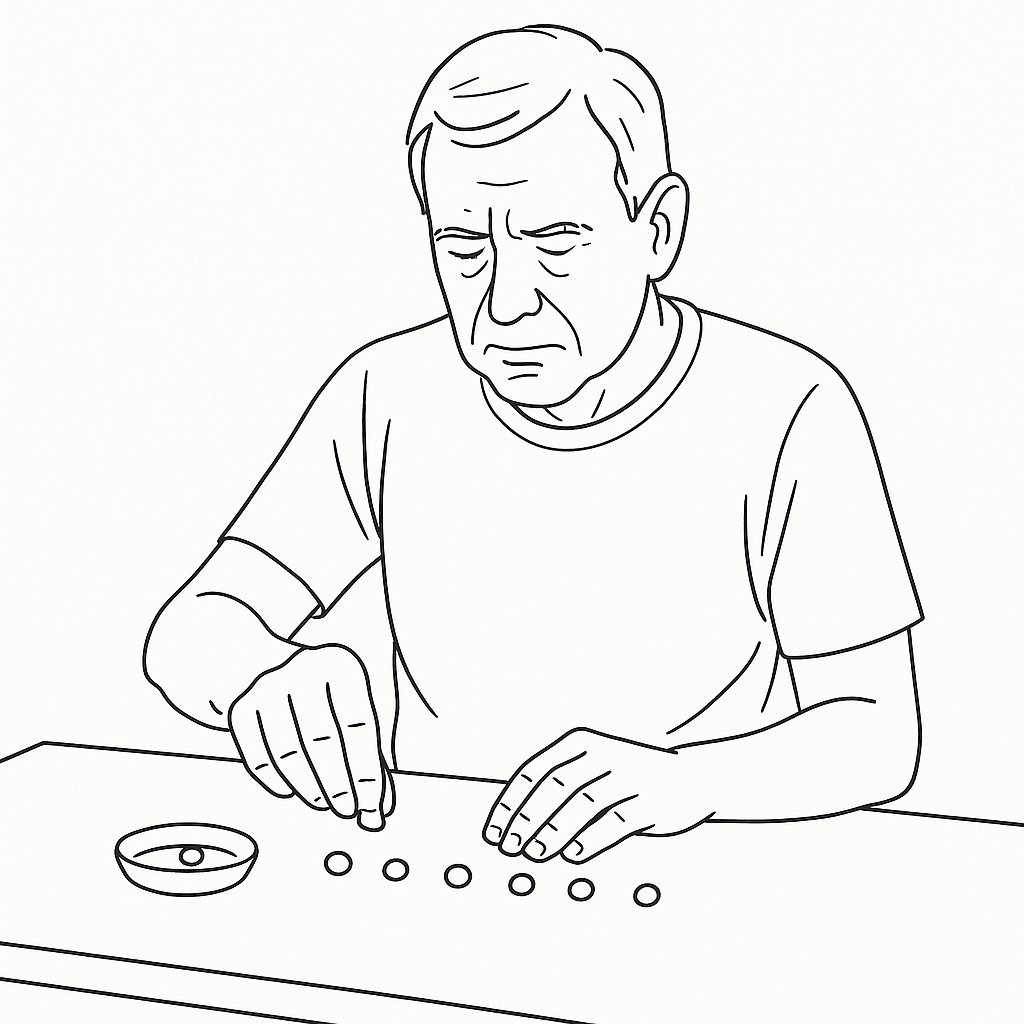
When I wrote my post – A Healing Brain, I touched on something that still amazes me every day: the brain’s ability to rebuild itself. Neurogenesis and neuroplasticity might sound like big technical words, but really they boil down to this simple truth — a damaged brain can learn again, provided we keep nudging it in the right direction. That “retraining” is absolutely vital. If we don’t guide the brain towards good habits, it’ll quite happily settle into the bad ones instead.
(more…)Author: Kelvin
-
Visual Field Loss – (Challenge 001)
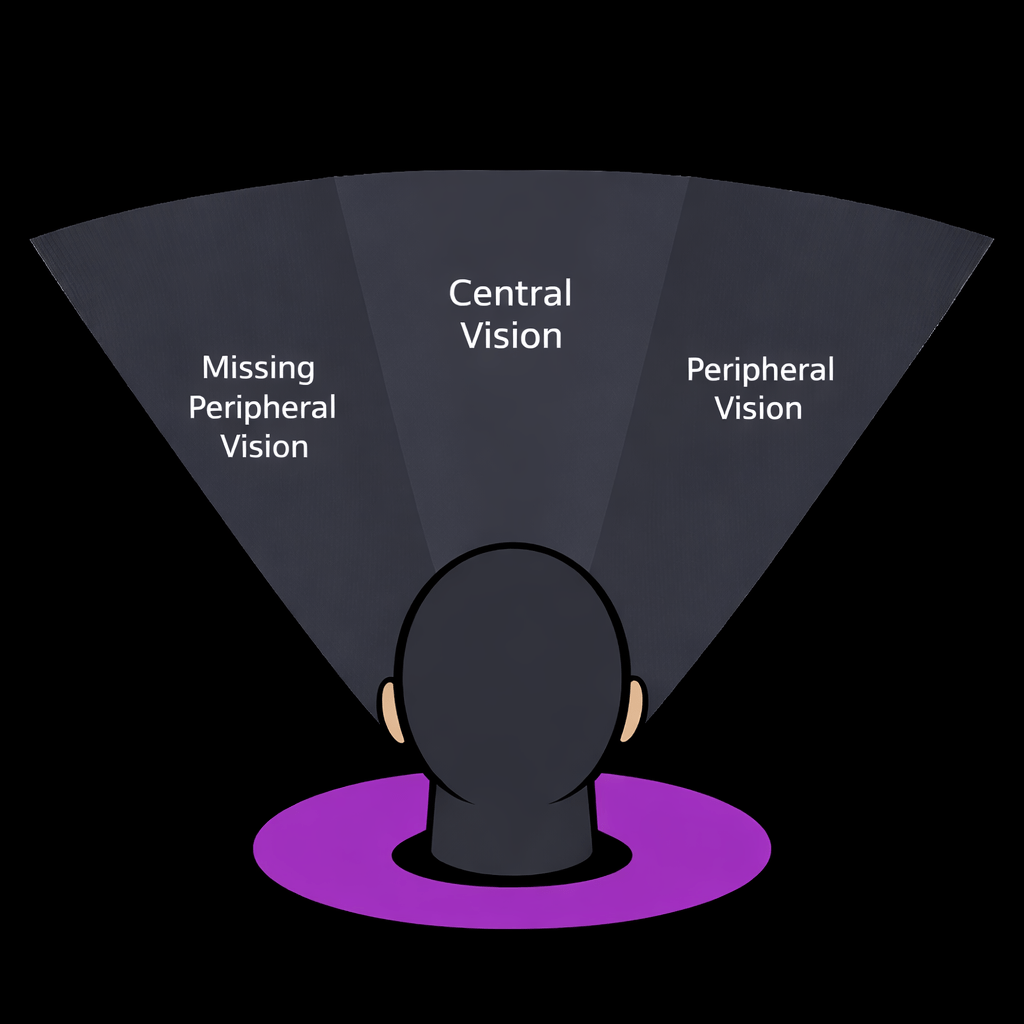
I have left-sided hemianopia (or Hemianopsia, which means I cannot see the left half of my visual field; true for both eyes. To a great extent I am unaware of the issue in for the most part daily life these days. There’s no additional edge or the like in what I see, it simply tails off into nothingness in the same way that a normally sighted person experiences. There’s just less information coming in.
Seventeen years ago, after surgery required sacrificing part of my vision, I would bump into people or objects on my left side almost daily. Although I rarely bump into things now, certain environments remain difficult to navigate.
In particular, walking through areas of medium crowd density is most challenging. When people have the space to move and change direction unexpectedly, it is very difficult for me to anticipate their movements on my blind side. Low crowd density situations pose fewer problems, and very crowded spaces can actually be easier to manage because movement is slower and more predictable.
Related Posts
-
Help me to help you (Strategy 011)
The Document That Made Working Life Easier
When I returned to work after treatment for brain cancer, I found it was difficult for others to grasp exactly what had changed for me. I looked fine on the outside, but inside things were much more complicated. I realised that if people understood the nature of my difficulties — and how they could best work with me — then day-to-day life would run far more smoothly for everyone.
(more…)

