Half a Mind to ..

Life after brain injury – one small victory at a time.

Category: challenge

  • Mind Pops, a challenge I didn’t expect (challenge 049)

    Mind Pops, a challenge I didn’t expect (challenge 049)

    In a previous post, I described a counting-based strategy I use to get to sleep. When that approach began to lose its effectiveness, I tried something different.

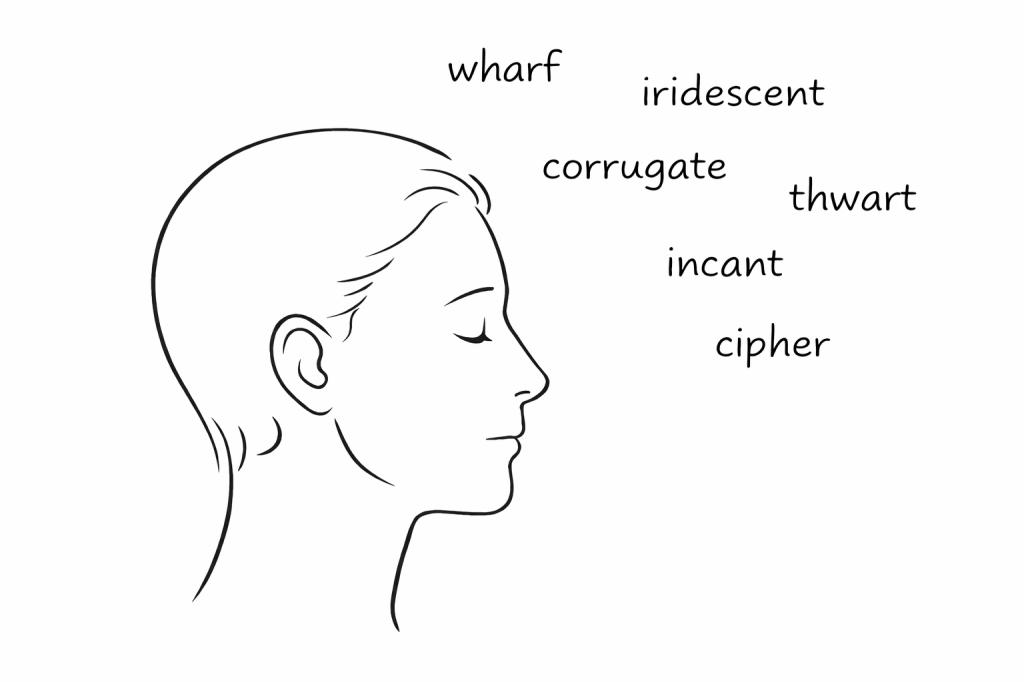
    Instead of numbers, I silently generated random, unconnected words, taking care not to repeat any of them. It felt lighter and less effortful than counting, and I wasn’t surprised to find that I could do it easily.

    That ease had a history.

    (more…)
  • The Email Beast (challenge 106)

    The Email Beast (challenge 106)

    There are days when email feels like a friendly tool.
    A note from a friend, a reminder of something pleasant, a quiet nudge about a parcel in the post.

    But more often than not, it turns into something far larger.
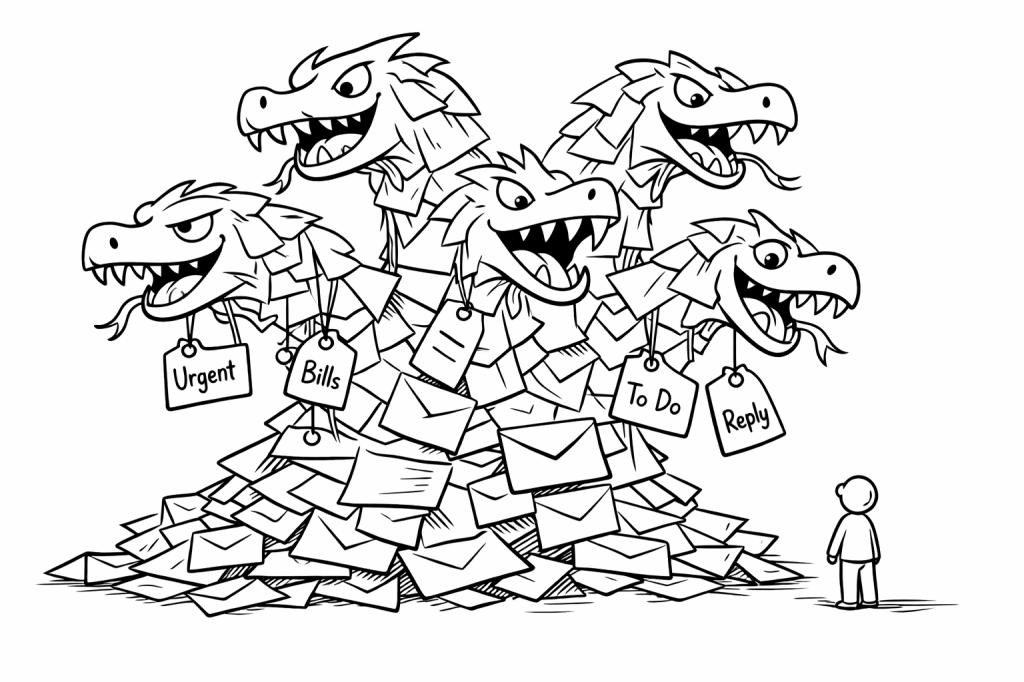
    For me, it often feels like a living creature — growing, demanding, and constantly calling for attention. One unanswered message becomes two. Two become twelve. Before long, the inbox stops being a place I visit, and becomes a shadow that follows me around the day.

    Read more: The Email Beast (challenge 106)

    Part of the difficulty is my brain injury and stroke.
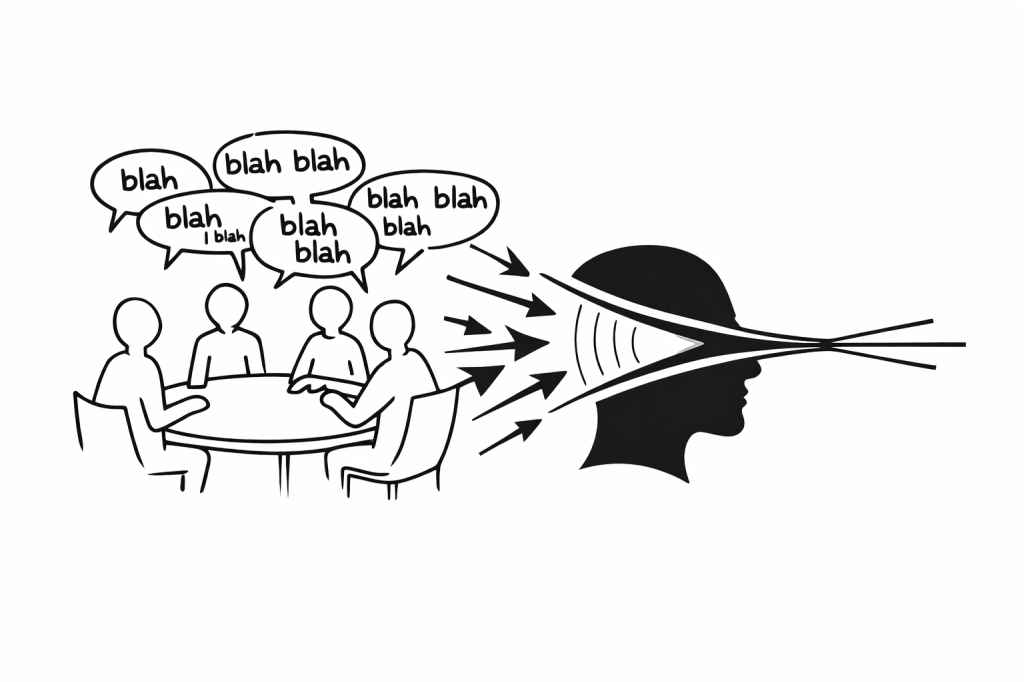
    I no longer read, remember, and respond to messages in the effortless way I once did. If I skim an email and move on, there’s a fair chance I’ll forget it entirely. If I leave it unread, the number sitting in red starts to climb — and with it, a knot of anxiety tightens.

    And the truth is, email isn’t just “email.”
    It’s:

    • appointments I mustn’t miss
    • bills that need attention
    • tasks that require thinking
    • parcels on their way
    • messages from people I care about
    • and endless newsletters that I never asked to receive

    All of these live together in one place, and my brain struggles to tell them apart.

    So the “email beast” isn’t imaginary.
    It’s the very real feeling that I am being asked to hold far more in my head than I have space for. And the cost — when things get missed, forgotten, or muddled — is frustration, guilt, and sometimes embarrassment.

    But naming a challenge is the first act of taming it.
    In the next few posts I’ll share the methods, workarounds and habits that are helping me bring this beast to heel — slowly, gently, and in a way that suits the brain I now have.
    One small step at a time.


    Related Posts

  • Is this a scam? (scenario 20)

    Is this a scam? (scenario 20)

    My mum sent me this screenshot of something she was trying to work out whether was genuine or not. I wasn’t quite sure what to tell her. It’s the sort of thing that before my brain injuries I could have handled quite well, but now it’s almost impossible for me to sort without help. I used strategy 150 (see below) to analyse the image and give me an answer. Here’s what it gave me …

    You’re right to be wary. I wouldn’t call this an outright scam, but it does show several classic red flags that justify caution.

    Here’s a clear, steady way to look at it.

    Why your instincts are sensible

    1. The headline is doing heavy emotional lifting

    “Holiday Special – SAVE £60 Off Today” is designed to rush you. Urgency is a well-worn sales tactic, especially for subscriptions.

    2. The real price is hidden in the small print

    You’re paying £39 now, but the key line is this:

    “then auto renews annually at £99 unless I cancel”

    That’s not illegal, but it relies on people forgetting. Many do.

    3. Bundled ‘free’ extras you may not want

    Adblockers and antivirus software are presented as “included free”, yet:

    Windows already has built-in antivirus Modern browsers already block many ads. These extras increase perceived value, not necessarily real value.

    4. Trustpilot logos can be misleading

    A Trustpilot badge doesn’t mean this offer is good — only that reviews exist. Some companies with aggressive billing still score reasonably well.

    It may have – Confusing checkout flows Users not realising they signed up to recurring billing Cancellation being possible, but fiddly

    Again: not illegal, but not scrupulous either.

    The bottom line (plain English)

    ❌ Not a fake payment page ❌ Not identity theft ✅ Very likely to cost you £99 next year if you forget ✅ Designed to catch people out rather than serve them well

    That’s why it feels like a scam — because it behaves like one, even if it stays just inside the rules.

    A safer, traditional alternative

    If what you want is simple, dependable backup (and I know reliability matters):

    OneDrive (already built into Windows) iCloud (if you use Apple devices) Or a plain external hard drive, plugged in once a week — boring, old-fashioned, and dependable

    Often the old ways are still the soundest.

    My advice

    If you’re hesitating now, don’t proceed. Legitimate, worthwhile services don’t need to rush you or hide the real cost in the margins.

    If you’d like, I can:

    Help you cancel safely if you’ve already gone part-way Suggest a calmer, clearer backup option that suits how you work Translate any other online “offers” you’re unsure about

    You were right to stop and ask. That’s good judgment.

    Related Posts


    Related Posts