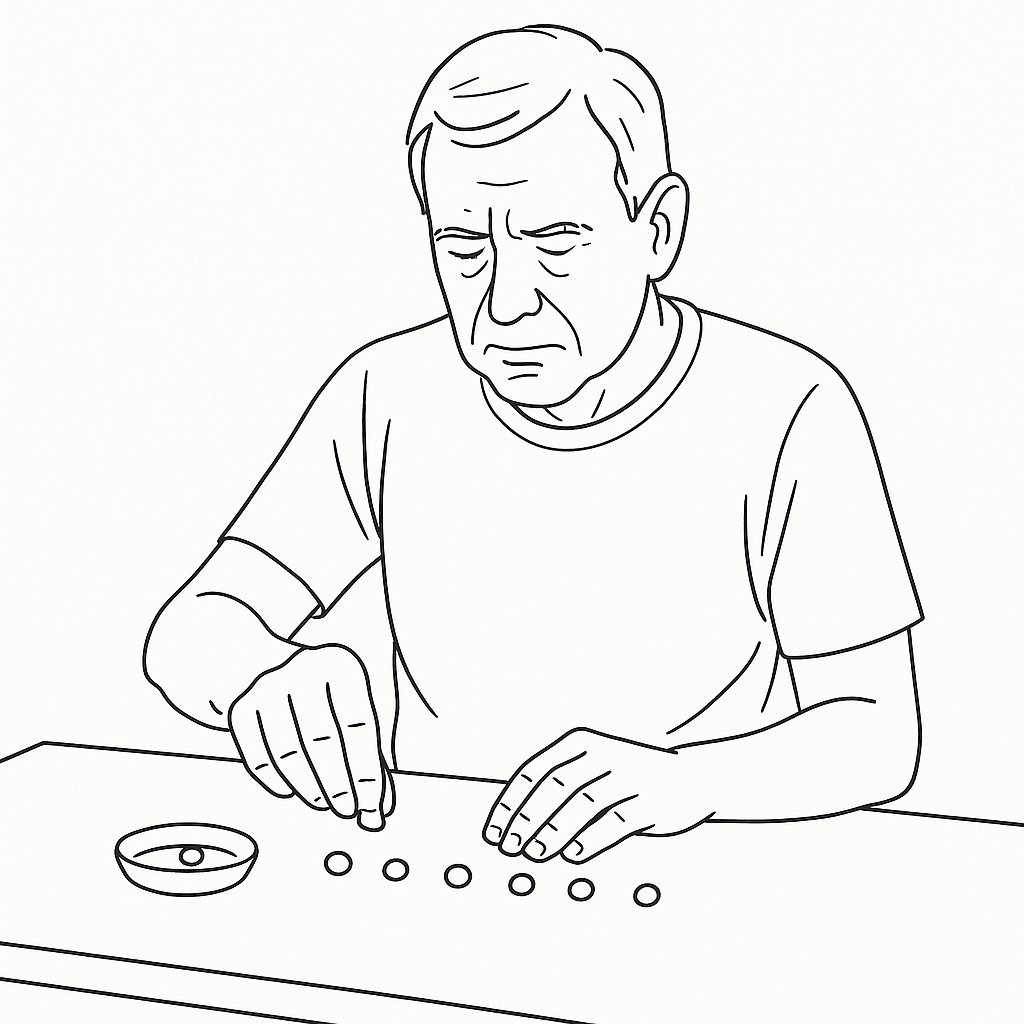
When I wrote my post – A Healing Brain, I touched on something that still amazes me every day: the brain’s ability to rebuild itself. Neurogenesis and neuroplasticity might sound like big technical words, but really they boil down to this simple truth — a damaged brain can learn again, provided we keep nudging it in the right direction. That “retraining” is absolutely vital. If we don’t guide the brain towards good habits, it’ll quite happily settle into the bad ones instead.
(more…)Category: strategy
-
Help me to help you (Strategy 011)
The Document That Made Working Life Easier
When I returned to work after treatment for brain cancer, I found it was difficult for others to grasp exactly what had changed for me. I looked fine on the outside, but inside things were much more complicated. I realised that if people understood the nature of my difficulties — and how they could best work with me — then day-to-day life would run far more smoothly for everyone.
(more…) -

Agree Workplace Adjustments (Strategy 002)
When I went back to work after my illness, one of the most important things that happened was the process around “reasonable adjustments.” Occupational health got involved and set up a proper conversation between me and my manager. Together, we worked out goals that matched what I was realistically able to do with my new limitations. I’m not an expert in the legal details, but I do know that employers have some responsibility here — and being part of a large company definitely helped. We ended up with a living “reasonable adjustments” document, which we reviewed every month. The deal was simple: if I kept to the adjusted goals and did my part, then in the annual performance appraisals I’d automatically get a rating that kept me safe from being penalised or dismissed for underperformance. It wasn’t perfect, but it gave me security and a fair framework to keep contributing at work.
Related posts ..

