Half a Mind to ..

Life after brain injury – one small victory at a time.

Category: strategy

  • What’s in this image? (Strategy 150)

    What’s in this image? (Strategy 150)

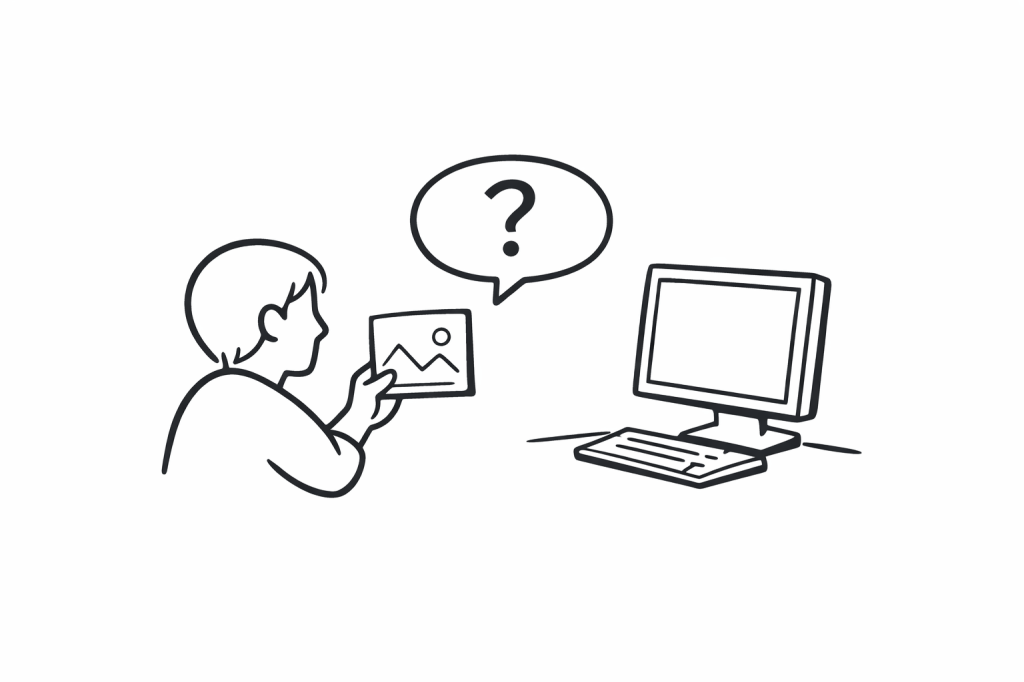
    When information comes to you as an image rather than words, maybe in a social media post, it can feel harder to know where to start. One simple approach is to paste the image into an AI tool and type in your questions — what the image shows, what text it contains, and what might reasonably be inferred from it. This can help turn something visual and vague into something more concrete and manageable.

    What is both subtle and amazing about this is that the computer isn’t being given a text document to interpret, it’s having to decipher the contents that have been presented as a flat graphic. There’s no real “text“ in the image, it’s our brains that are deciphering what being presented. It’s only very recently that computers can regularly be asked to perform this kind of image interpretation operation with speed, accuracy, and reliable results.


    Related Posts

    Scenario 020 shows how this works in practice.
  • Rebuilding fine motor skills (strategy 044)

    Rebuilding fine motor skills (strategy 044)

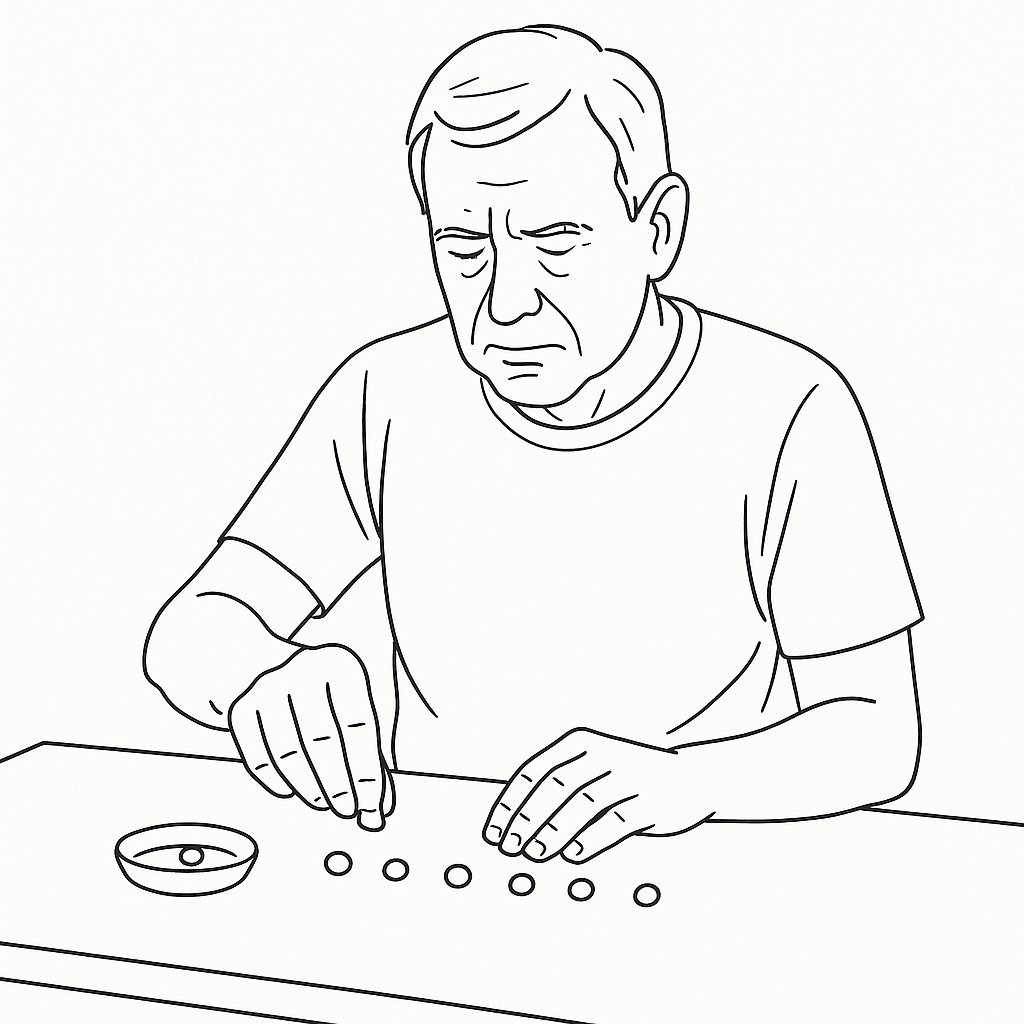
    When I wrote my post – A Healing Brain, I touched on something that still amazes me every day: the brain’s ability to rebuild itself. Neurogenesis and neuroplasticity might sound like big technical words, but really they boil down to this simple truth — a damaged brain can learn again, provided we keep nudging it in the right direction. That “retraining” is absolutely vital. If we don’t guide the brain towards good habits, it’ll quite happily settle into the bad ones instead.

    (more…)
  • Help me to help you (Strategy 011)

    Help me to help you (Strategy 011)

    Help Me to Help You


    The Document That Made Working Life Easier

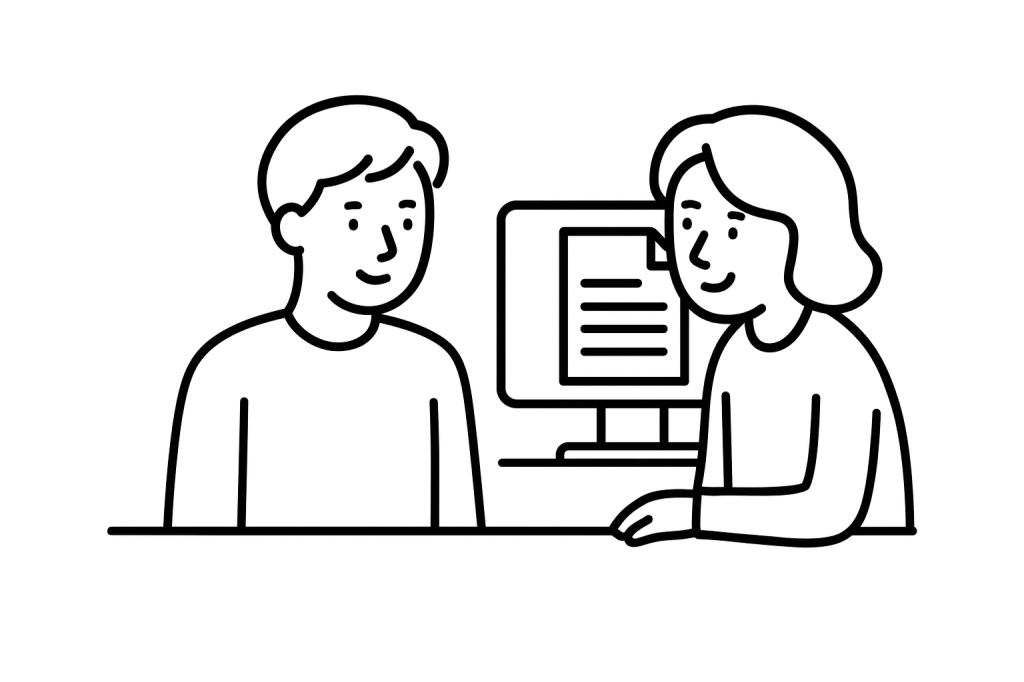
    When I returned to work after treatment for brain cancer, I found it was difficult for others to grasp exactly what had changed for me. I looked fine on the outside, but inside things were much more complicated. I realised that if people understood the nature of my difficulties — and how they could best work with me — then day-to-day life would run far more smoothly for everyone.

    (more…)